Semuliki National Park, established in October 1993, is located in the Bundibugyo District of western Uganda. Covering an area of 219 km², it is renowned as East Africa’s only true lowland tropical rainforest, offering a unique blend of Central African and East African ecosystems. The park’s rich biodiversity and cultural significance make it a compelling destination for nature enthusiasts and cultural explorers alike.
Sempaya Hot Springs
The Sempaya Hot Springs are the park’s most iconic feature. Visitors can explore two main springs
- Bintente (Male Spring): A swampy pool enveloped by dense vegetation, offering a quieter experience.
- Nyasimbi (Female Spring): A boiling geyser that ejects water several meters into the air, surrounded by a colourful mineral crust.
Both springs are accessible via guided walks, providing insights into the park’s geothermal activity and cultural significance.
Bird Watching
Semuliki National Park is a premier birdwatching destination, boasting over 440 recorded bird species, nearly 40% of Uganda’s total avian diversity. Notable species include the Congo serpent eagle, Nkulengu rail, lyre-tailed honeyguide, and red-billed dwarf hornbill. Birdwatching is best conducted along trails like the Kirumia and Red Monkey Trails, with early morning hours offering optimal conditions.
Nature Walks and Hiking Trails
The park offers several hiking trails that allow visitors to immerse themselves in its diverse ecosystems
- Sempaya Nature Trail (8 km): A loop that leads to the Sempaya Hot Springs, passing through forested areas rich in wildlife.
- Red Monkey Trail (11 km): Stretches from the park’s eastern margin to the Semuliki River, offering opportunities to spot the endangered De Brazza’s monkeys.
- Kirumia Trail (13 km): The longest trail, traversing the heart of the forest to the Semuliki River, ideal for birdwatching and observing primates.
Wildlife Viewing
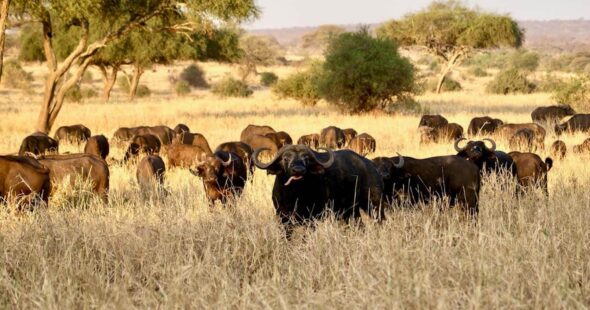
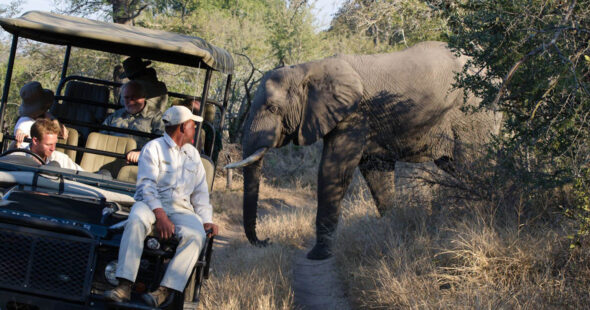
Semuliki is home to approximately 53 mammal species, including forest elephants, buffaloes, hippos, and various primates such as chimpanzees, black-and-white colobus, and grey-cheeked mangabeys. The park’s diverse habitats support a wide range of wildlife, making it a prime location for eco-tourism and conservation efforts.
Cultural Encounters
The communities surrounding Semuliki National Park, including the Bamba, Bakonzo, Batuku, and Bamaga peoples, offer rich cultural experiences. Visitors can engage in traditional dances, learn about medicinal plant use, and hear folklore related to the park’s natural features, such as the sacred Sempaya Hot Springs.